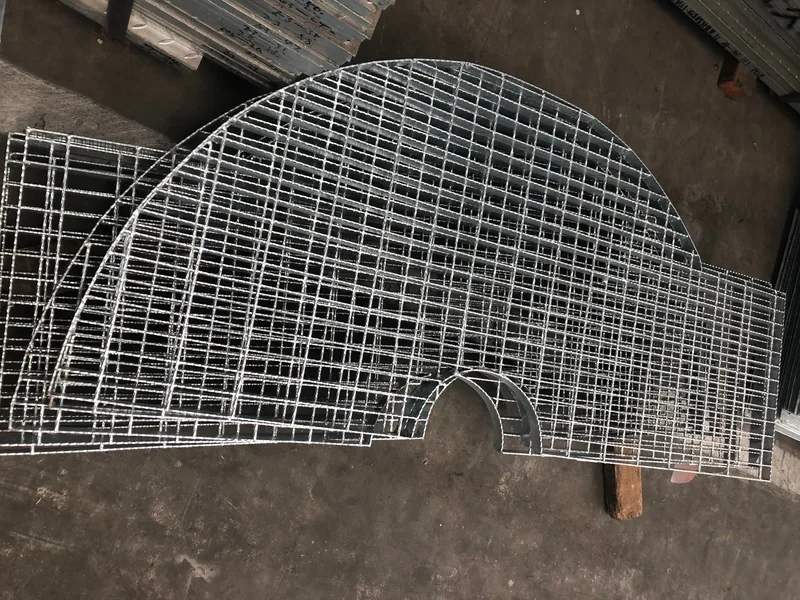
What is steel grating?
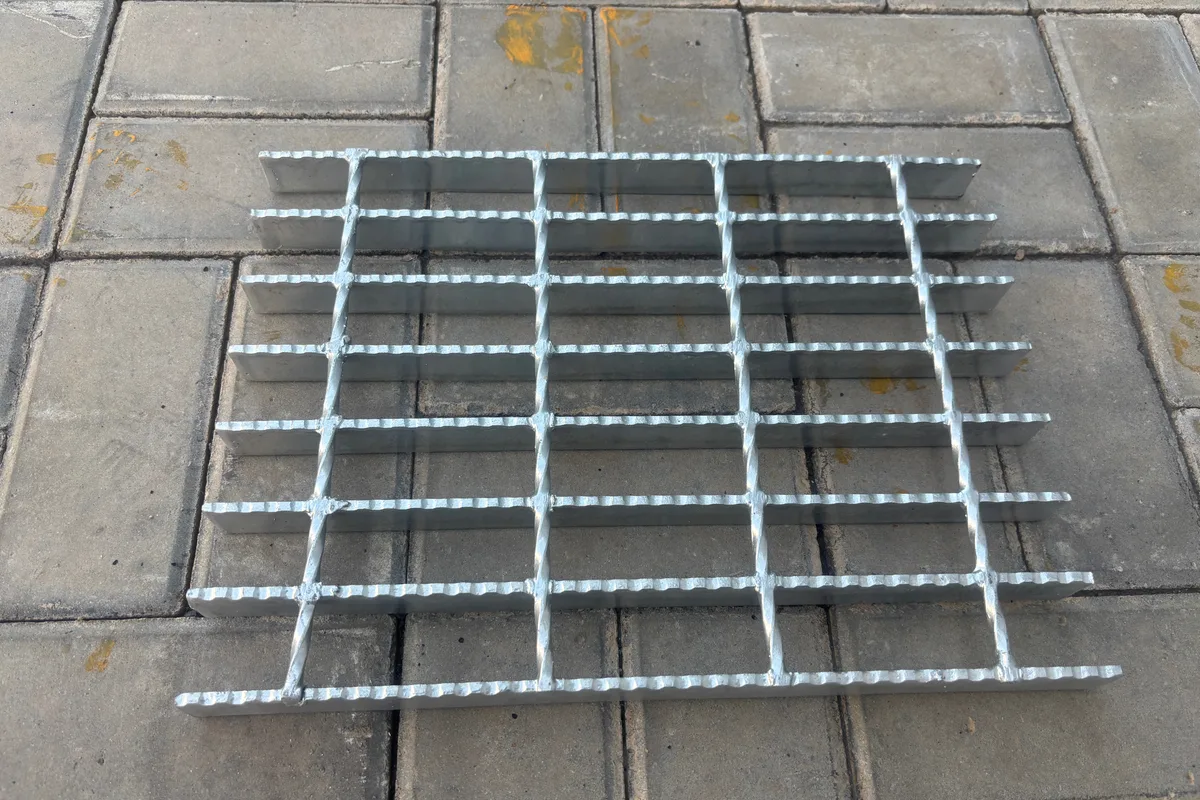
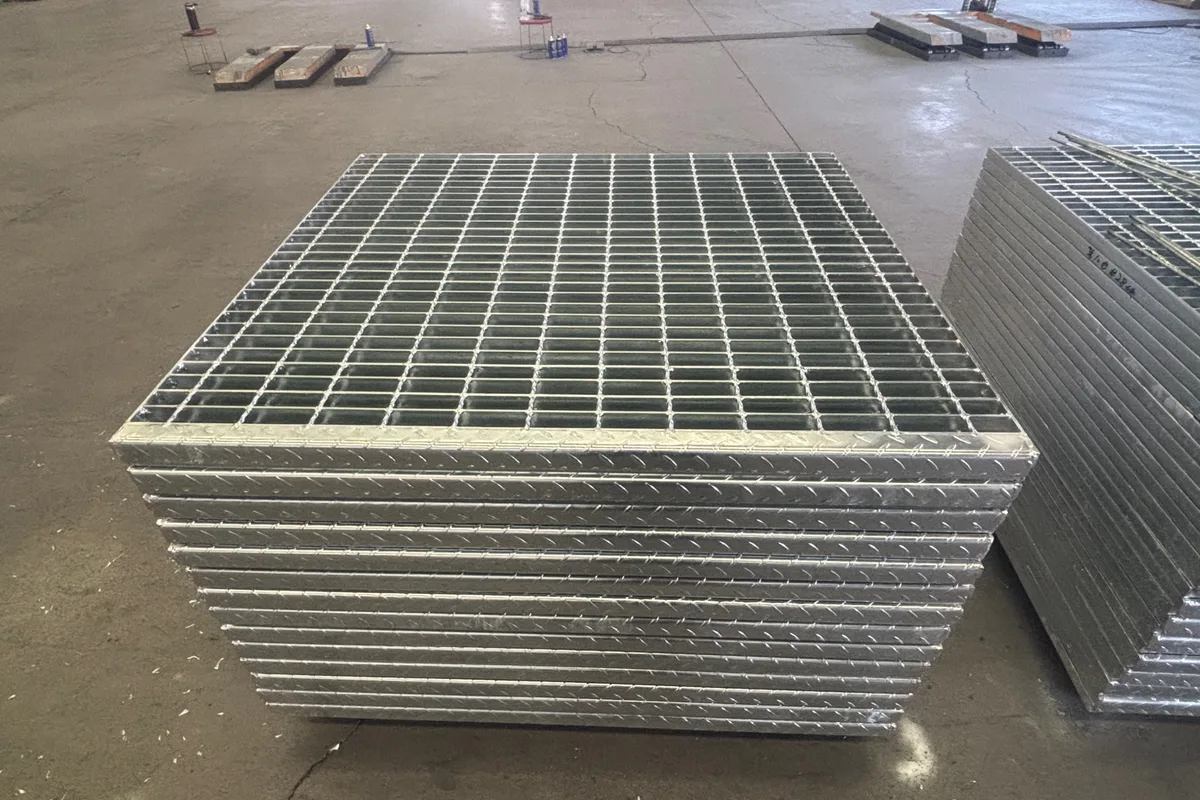
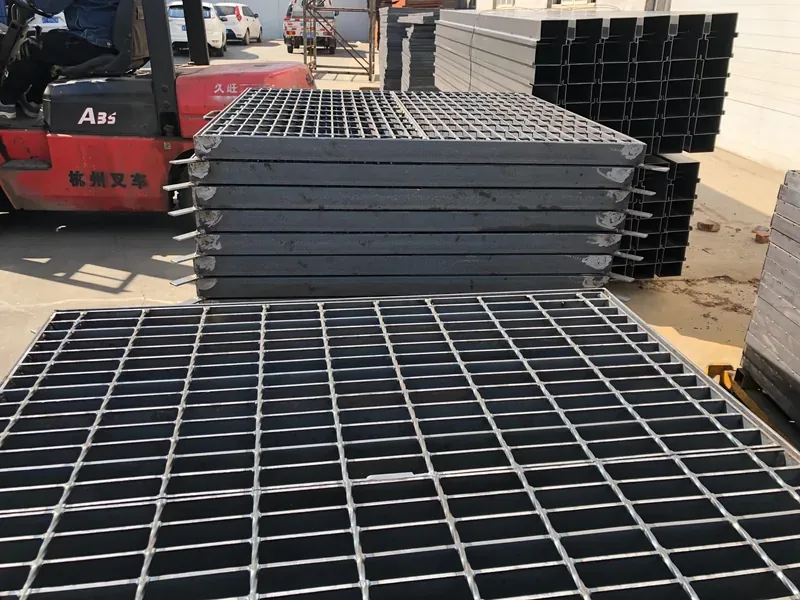
Steel grating is a fabricated panel of steel bars with regular openings. It is known by several names: steel bar grating, metal bar grating, bar grating and simply grating. The open grid is the point—load is carried while water, light, air and small debris pass through.
Main types
- Welded steel grating: cross bars resistance-welded to the bearing bars; the standard industrial choice.
- Press-locked steel grating: cross bars swaged into bearing-bar slots with no welding; smooth top.
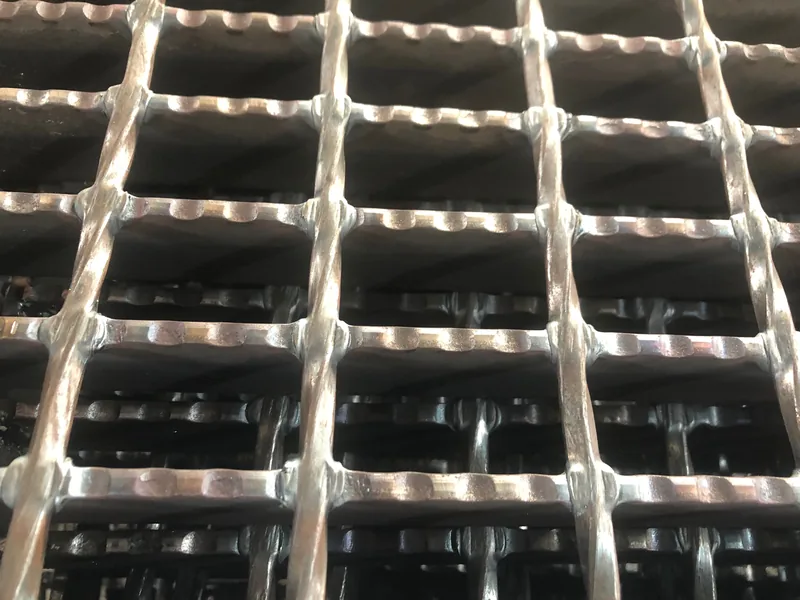
- Serrated steel grating: toothed bearing-bar tops for slip resistance.
- Plain steel grating: flat bearing-bar tops for dry, clean areas.
See also Welded Steel Grating, Press-Locked Steel Grating, Serrated Steel Grating and Plain Steel Grating.
Materials and finish
- Carbon steel: most common; hot-dip galvanized for corrosion protection.
- Stainless steel: for corrosive or hygienic environments.
- Finish: hot-dip galvanized, painted, or left as supplied for stainless.
Compare options in Galvanized vs Stainless Steel Grating.
Where it is used
- Industrial platforms, mezzanines and walkways
- Trench, drainage and channel covers
- Stair treads and landings
- Industrial flooring and architectural screens
Related product pages: Platform and Walkway Grating, Stair Treads, Trench Cover Grating, Industrial Floor Grating.
How to choose
- Start from the span and the load case, not from appearance.
- Set the opening size from drainage and debris requirements.
- Choose the surface profile from the slip condition.
- Choose the material and finish from the environment.
Guides: Bearing Bar Size and Spacing, Specifications and Standard Sizes.
Usage cautions
- Support panels along the bearing bars, never on the cross bars alone.
- Confirm capacity for the actual span and load before specifying.
- Field cuts on galvanized panels need zinc-rich touch-up.
- Openings should suit the footwear and traffic using the floor.
Steel Grating FAQ
Is steel grating the same as bar grating?
Yes. The names are used interchangeably for the same product.
Welded or press-locked?
Welded for heavy loads and industrial traffic; press-locked for architectural and light-to-medium loads.
Plain or serrated?
Plain for dry clean areas; serrated where the surface is wet, oily or sloped.