What is the difference?
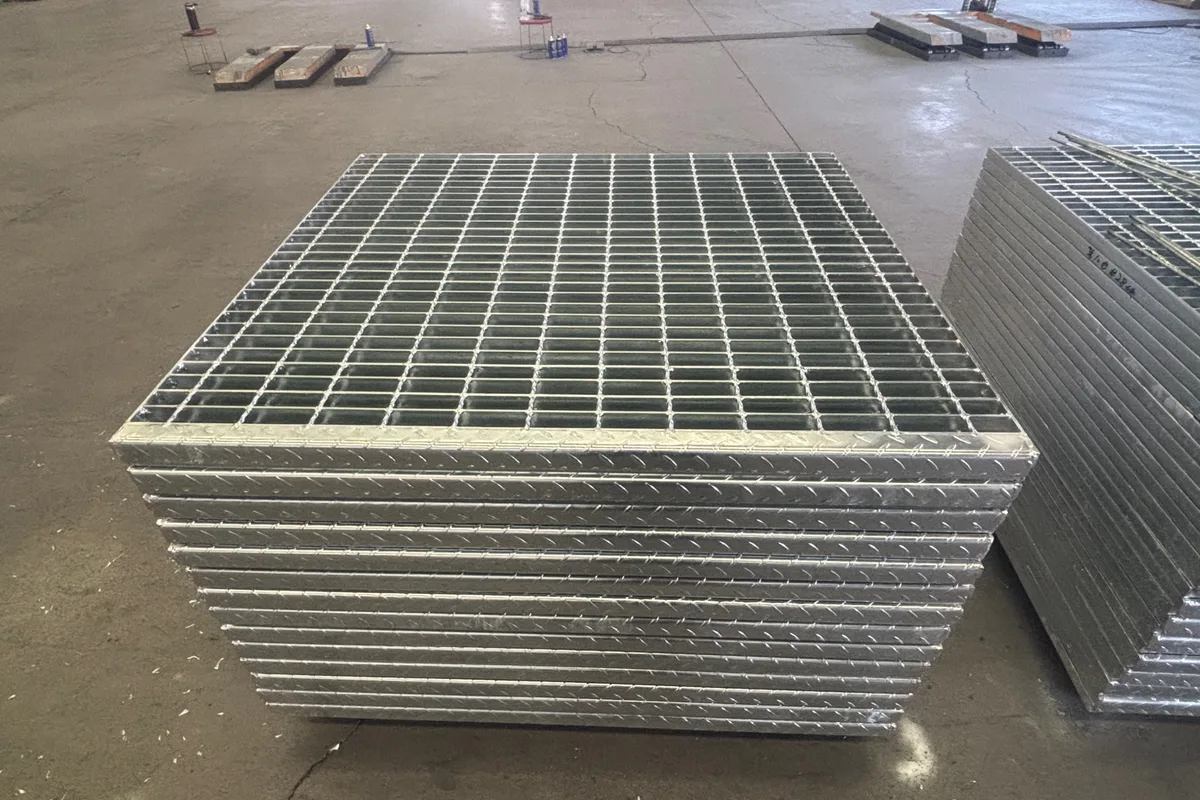
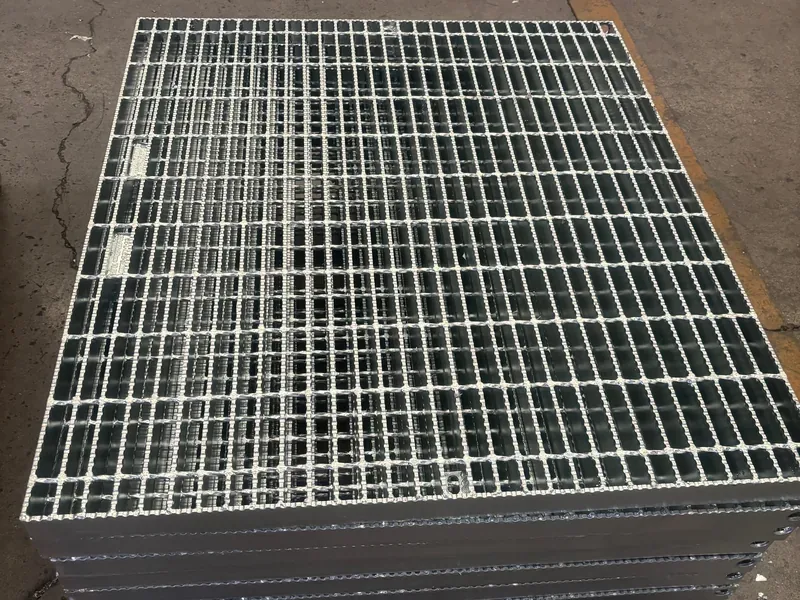
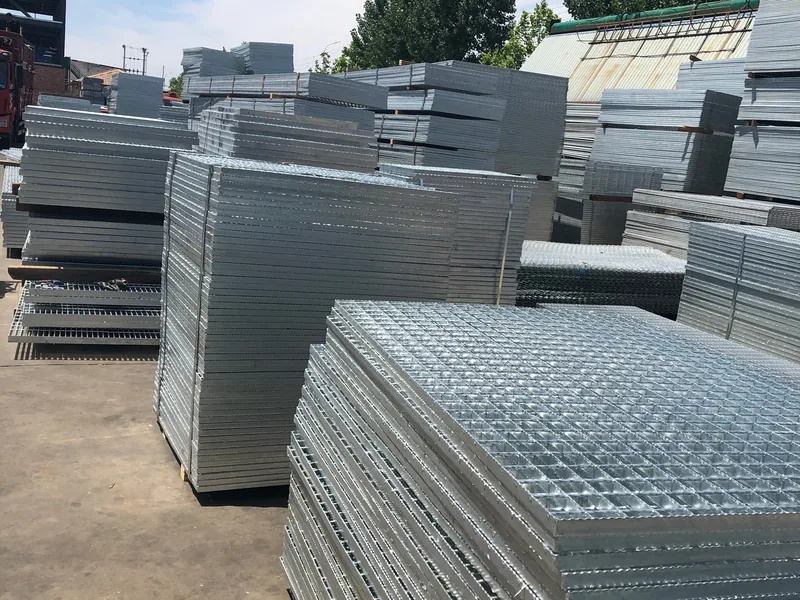
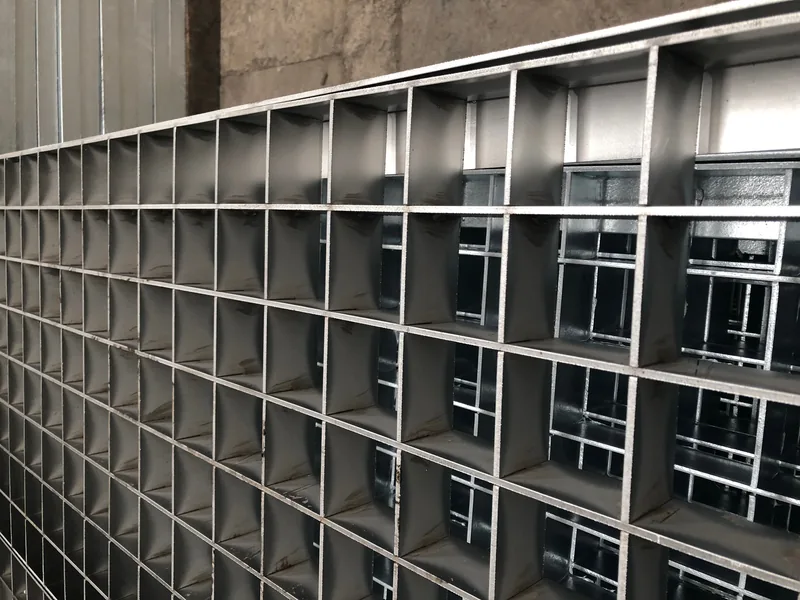
Galvanized grating relies on a coating: zinc is applied to carbon steel and protects it, sacrificially, as long as the coating remains. Stainless grating is made from an alloy that resists corrosion through its own composition, with no coating to wear away.
Side by side
| Feature | Galvanized steel | Stainless steel |
|---|---|---|
| Protection | Zinc coating, sacrificial | Alloy resists corrosion |
| Cost | Generally lower | Generally higher |
| Damage tolerance | Scratches need touch-up | No coating to damage |
| Best for | General outdoor and industrial | Corrosive or hygienic environments |
| Strength | Standard carbon steel grades | Confirm grade for the load case |
When galvanized is the right choice
- General outdoor drainage and industrial flooring.
- Where the environment is not chemically aggressive.
- Where initial cost is a primary constraint.
- Where occasional touch-up of damage is acceptable.
When stainless is the right choice
- Food, beverage and pharmaceutical areas with aggressive cleaning.
- Coastal sites with salt exposure.
- Chemical or process drainage with low or high pH.
- Where coating damage cannot be tolerated or maintained.
Cautions
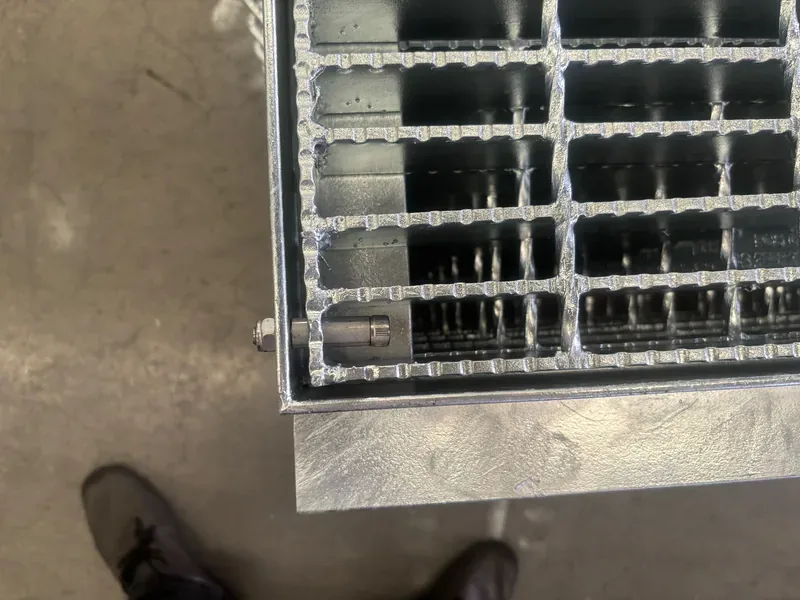
- Avoid direct contact between stainless and carbon steel where a corrosive film can form.
- Do not assume stainless is automatically stronger—confirm the grade for the load.
- Consider the whole system: fixings and frames should suit the chosen material.
- See corrosive drainage environments.
Galvanized vs Stainless FAQ
Is stainless always better?
Not necessarily. It costs more and is chosen for the environment, not as an upgrade.
Can I mix the two on one site?
Yes, but avoid direct contact between dissimilar metals in a wet environment.
Does galvanizing wear out?
The coating is consumed over time; damaged areas should be touched up.