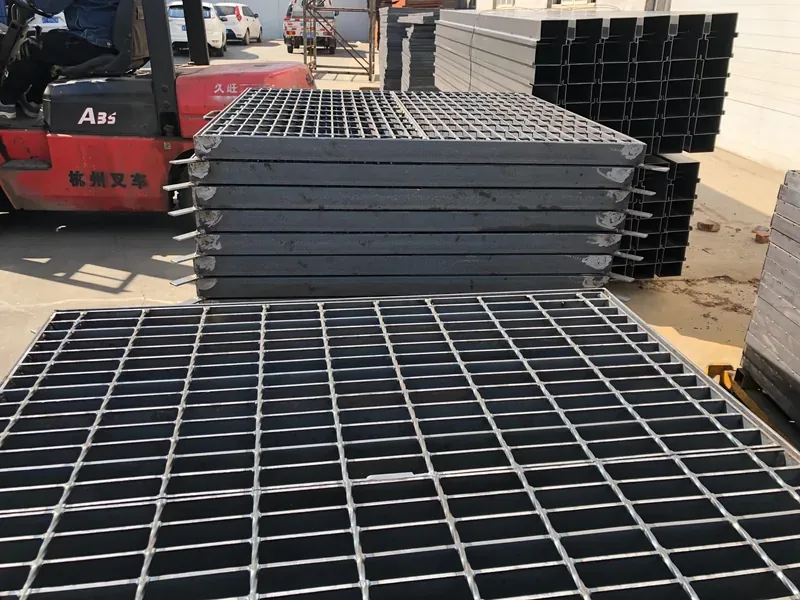
What is steel bar grating?
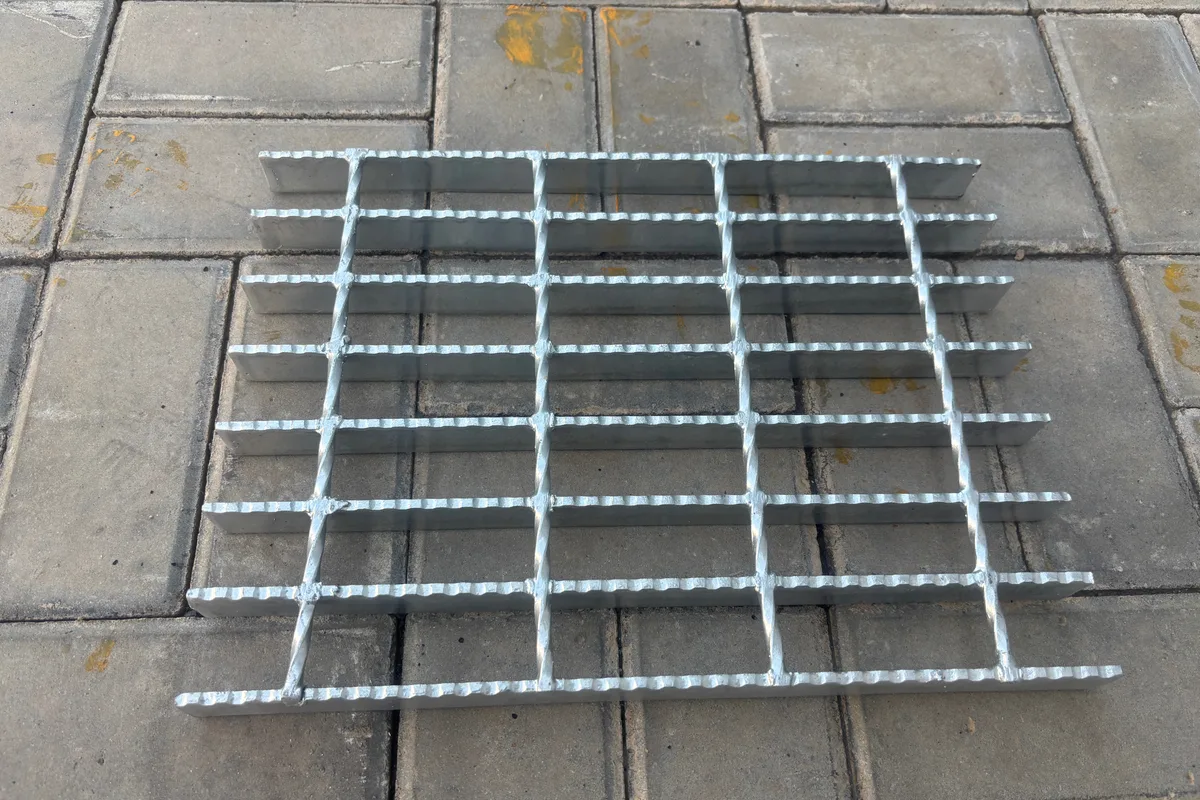
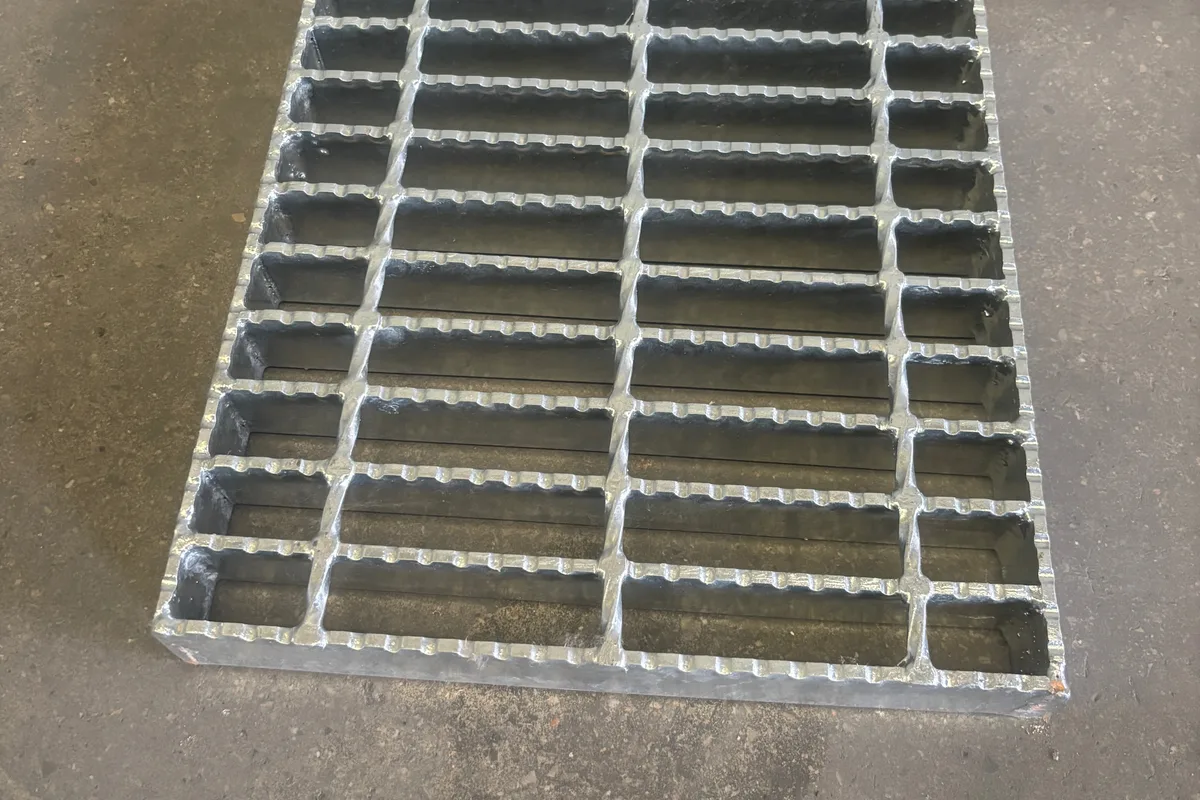
Steel bar grating is a grid of metal bars with regular openings between them. It is also called steel grating, metal bar grating or simply grating. The open structure is its defining feature: it carries load while letting water, light, air and small debris pass through.
Main parts
- Bearing bars run in one direction and carry the load to the supports.
- Cross bars sit across the bearing bars and keep them spaced and stable.
- Banding or end plates close the edges and stiffen the panel.
- Frames and cut-outs adapt the panel to covers, platforms and penetrations.
How it is made
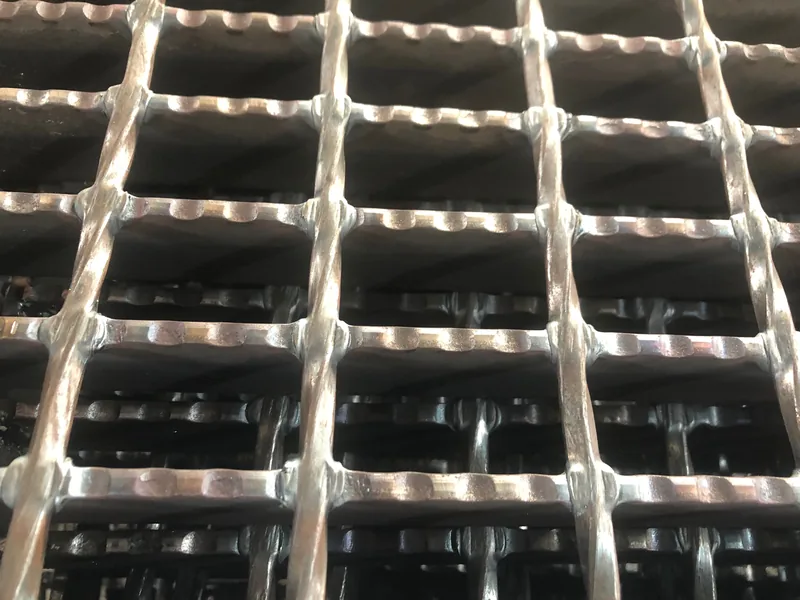
- Welded: cross bars are resistance-welded to the bearing bars under pressure.
- Press-locked: cross bars are swaged into slots in the bearing bars, with no welding.
- Riveted: bars are joined with rivets for specific service conditions.
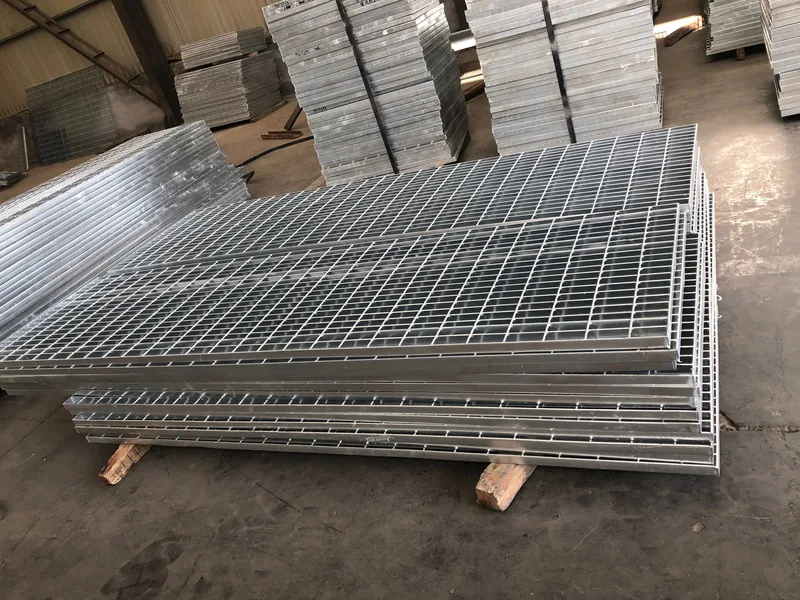
After joining, the panel is trimmed, banded and usually hot-dip galvanized.
Common materials
- Carbon steel: most common; galvanized for corrosion resistance.
- Stainless steel: for corrosive or hygienic environments.
- Aluminium: light weight where load permits.
Surface and finish
- Plain: flat top for dry, clean areas.
- Serrated: toothed top for slip resistance when wet or oily.
- Finish: hot-dip galvanized, painted or left as supplied for stainless.
Where it is used
- Industrial platforms, mezzanines and walkways
- Trench, drainage and channel covers
- Stair treads and landings
- Architectural screens, facades and ceilings
Steel Bar Grating FAQ
Is steel grating the same as bar grating?
Yes. "Steel grating" and "bar grating" are used interchangeably for the same product.
What is the difference between welded and press-locked?
Welded fuses the bars with heat and pressure; press-locked swages them mechanically with no weld.
Why is it galvanized?
Hot-dip galvanizing protects the carbon steel from corrosion, including the cut edges and welds.