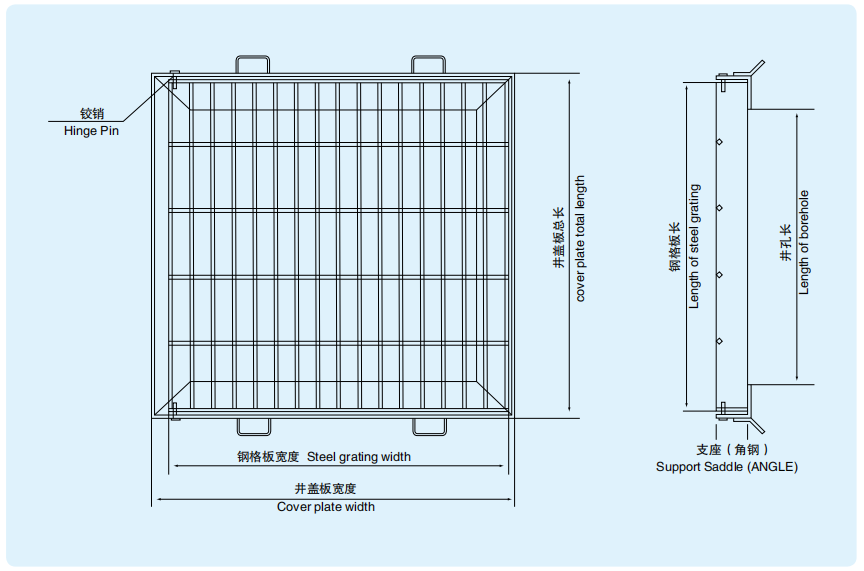
Why measuring comes first
Most grating that does not fit was ordered from an assumption rather than a measurement. Measure the actual opening that exists, not the one shown on an old drawing.
What to measure
- Clear opening width: the open gap the grate must cover.
- Seating width: the ledge or frame the grate bears on, on each side.
- Clear opening length: along the run, or per panel.
- Available depth: how much space there is below the grate.
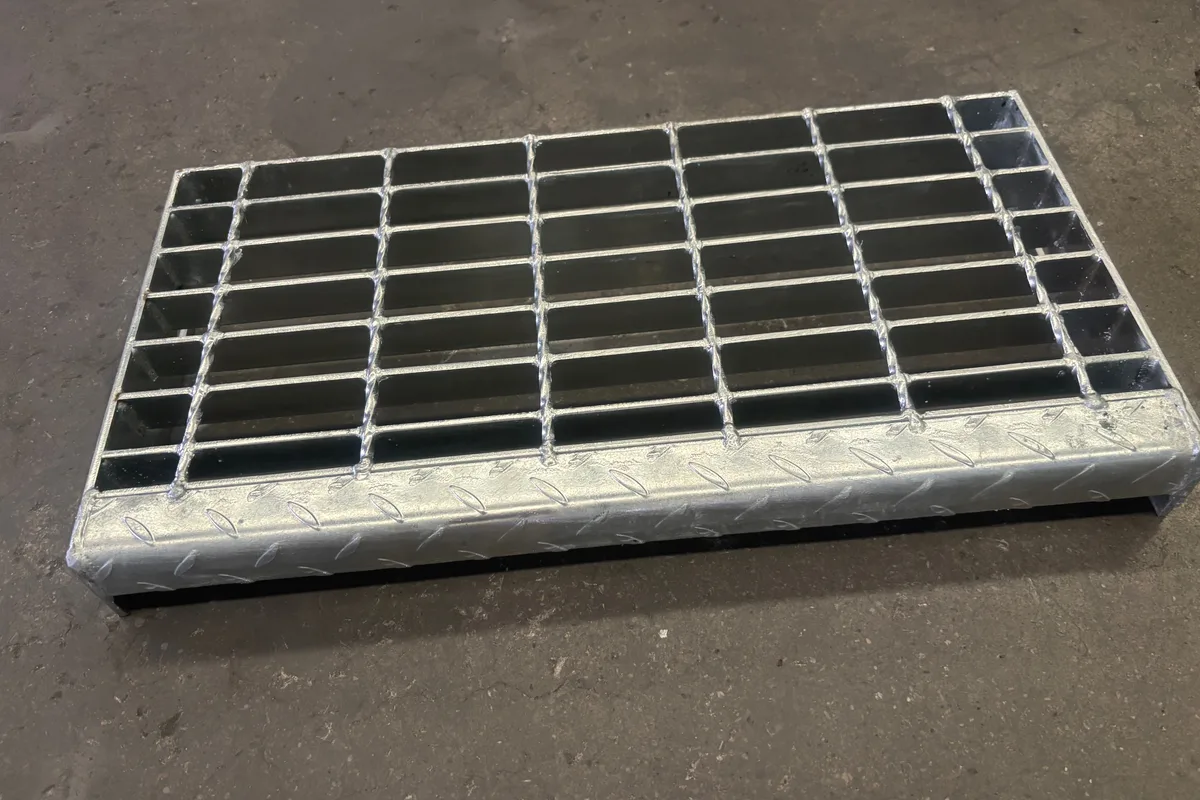
- Bearing direction: which way the bearing bars must run across the opening.
Measuring an existing grate
- Lift the grate out and measure it directly, not through the opening.
- Note the overall size and the bearing-bar direction.
- Record the frame or seating dimension separately from the grate.
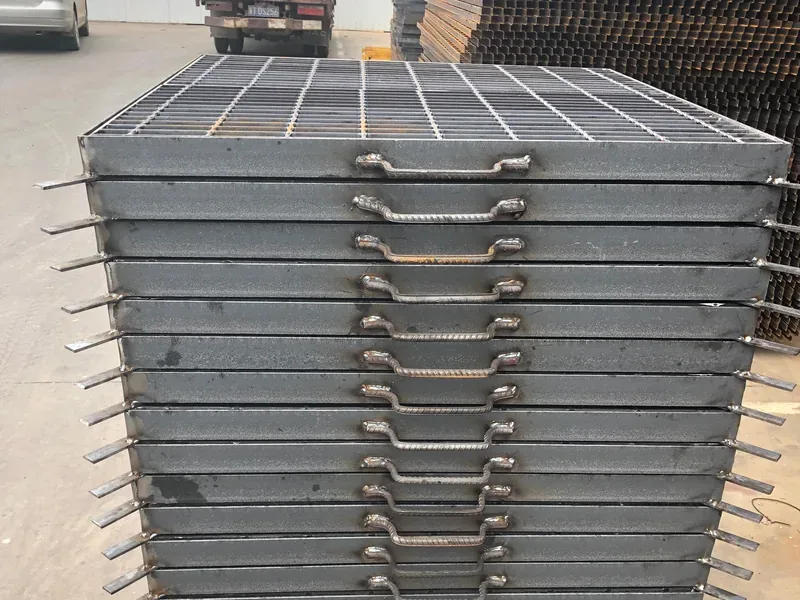
- Photograph the frame detail—it often explains a non-standard size.
Common mistakes
- Measuring the overall grate instead of the clear opening it sits in.
- Forgetting the seating width, so the new grate has nowhere to bear.
- Assuming the bearing direction instead of checking which way it spans.
- Ignoring coating thickness, so a galvanized grate no longer seats.
How to record it
| Dimension | Record |
|---|---|
| Clear opening (W × L) | Measured value |
| Seating width each side | Measured value |
| Available depth | Measured value |
| Bearing direction | Across or along the run |
| Traffic type | Pedestrian / forklift / vehicle |
Measuring a Grate FAQ
Should I measure the grate or the opening?
Both. The opening sets the cover size; the existing grate confirms the bearing direction and frame detail.
Why does bearing direction matter?
Grating carries load across the bearing bars; if they run the wrong way the panel will not work.
Do I allow for galvanizing?
Yes. Coating adds thickness, so allow for it when checking the seating fit.